
WHITE HOUSE FARM
Charles Town, WV
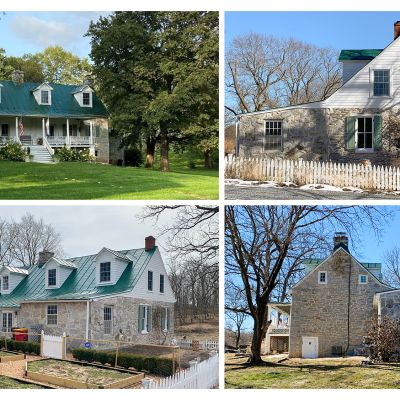
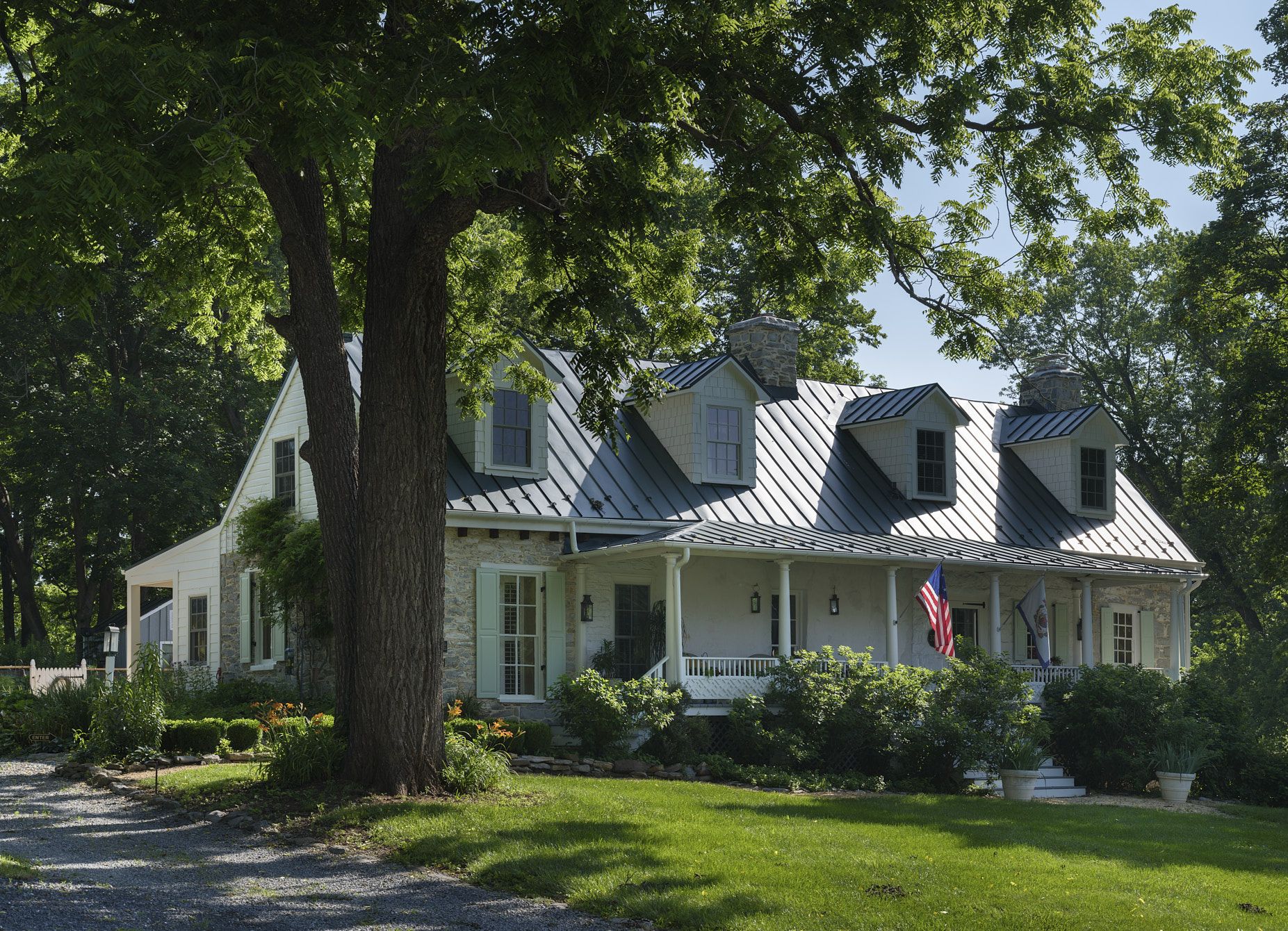
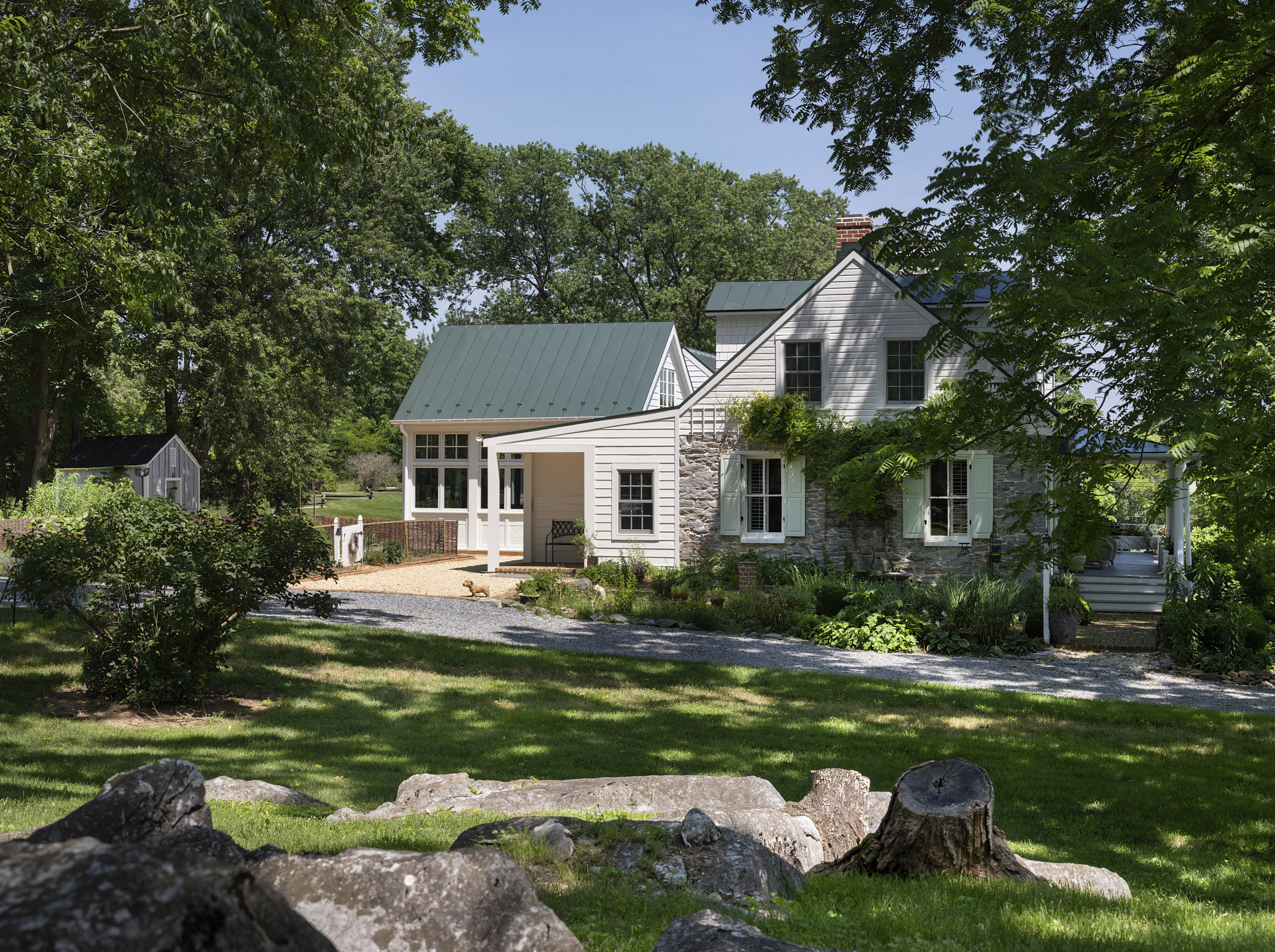
White House Farm, also known as White House Tavern and the Dr. John McCormick House, is listed on the National Register of Historic Places. Located in Jefferson County, West Virginia, the farm is one of the oldest in the County, and its stone barn is the oldest standing barn in West Virginia. George Washington surveyed the farm for Dr. McCormick in 1752.
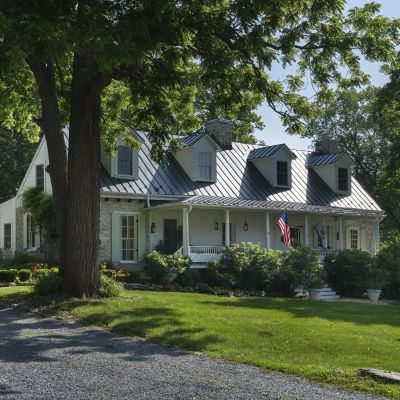
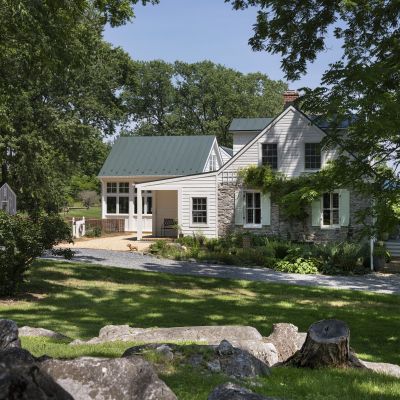
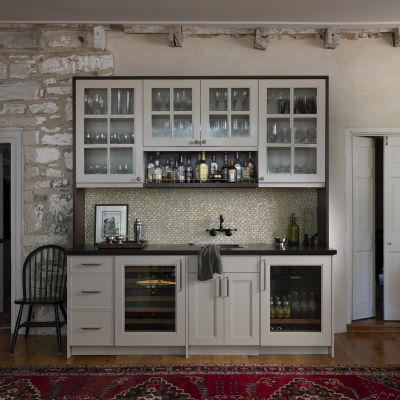
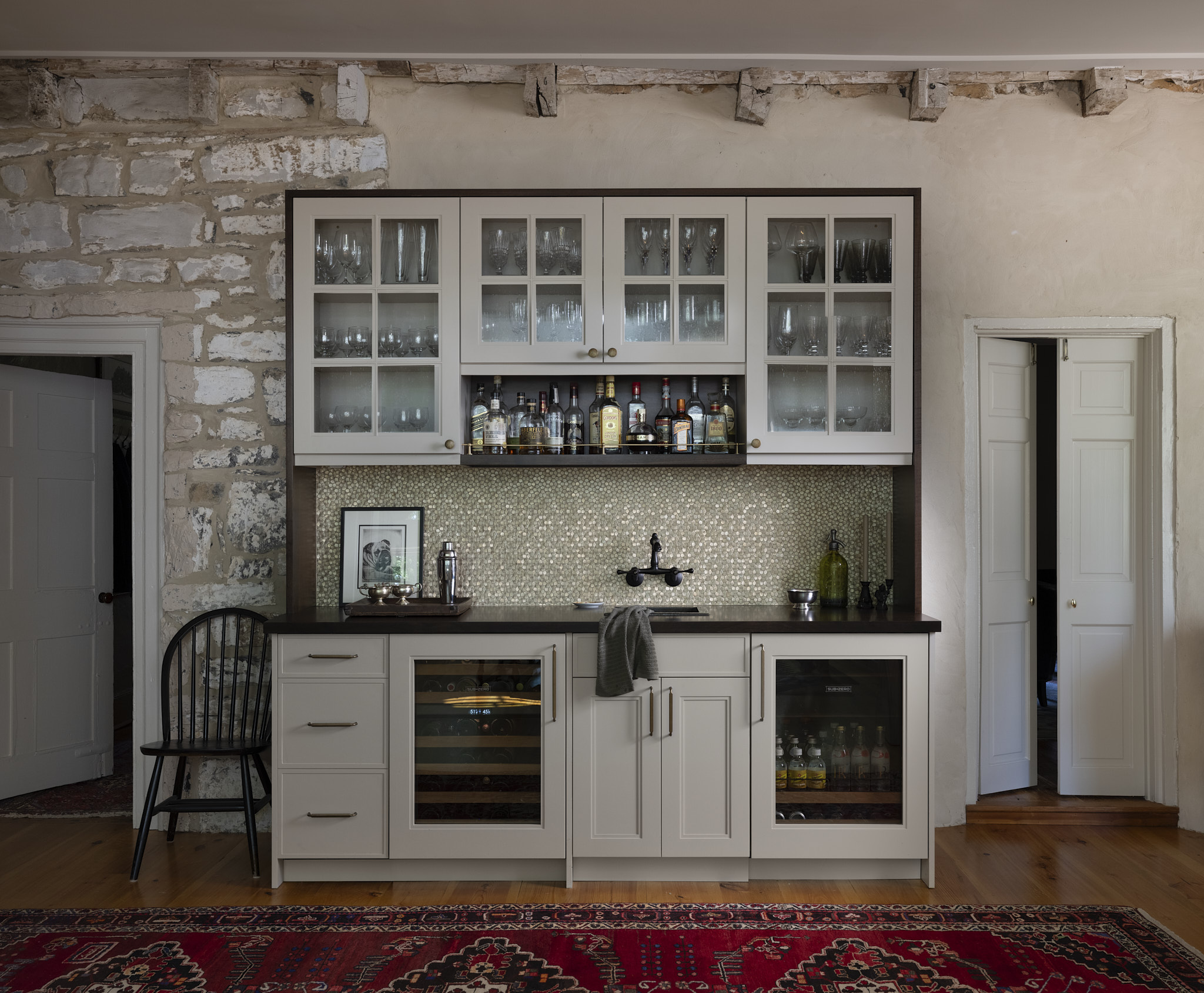
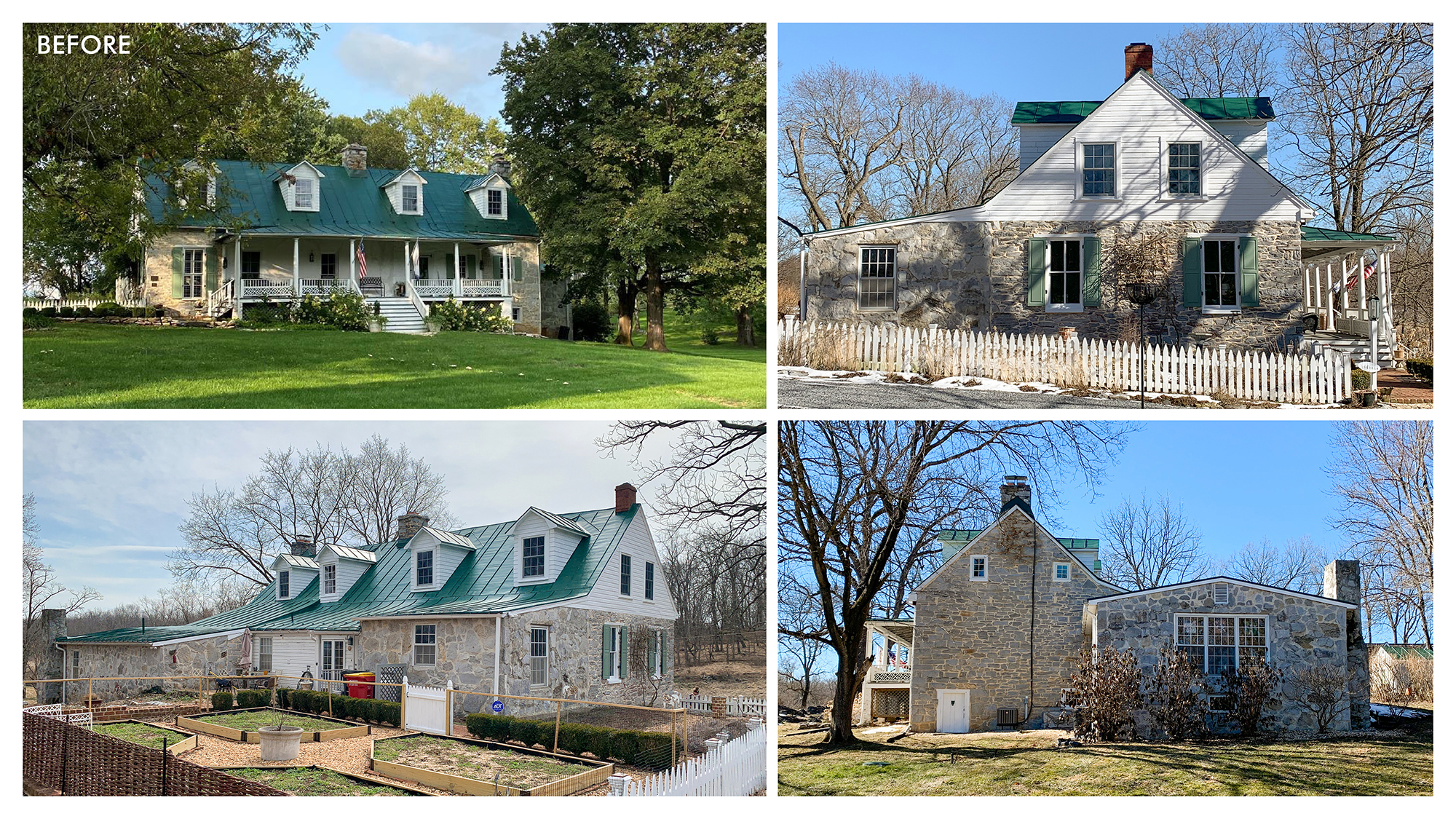
The original, eastern portion of the low, story-and-a-half limestone farmhouse was built in 1742. The house was enlarged on the western side at or near the turn of the nineteenth century. Historians believe there was an open dog trot between the two sections of the house, which was filled in after the house was used as an ordinary. The ordinary, known as White House Tavern, offered travelers food and lodging, and began operating right after the Revolutionary War. Front dormers were added to the house shortly after 1901 and rear dormers were added in the 1930’s. A kitchen and two baths were added in the 1950’s.
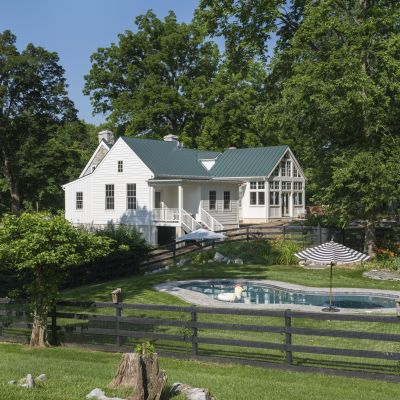
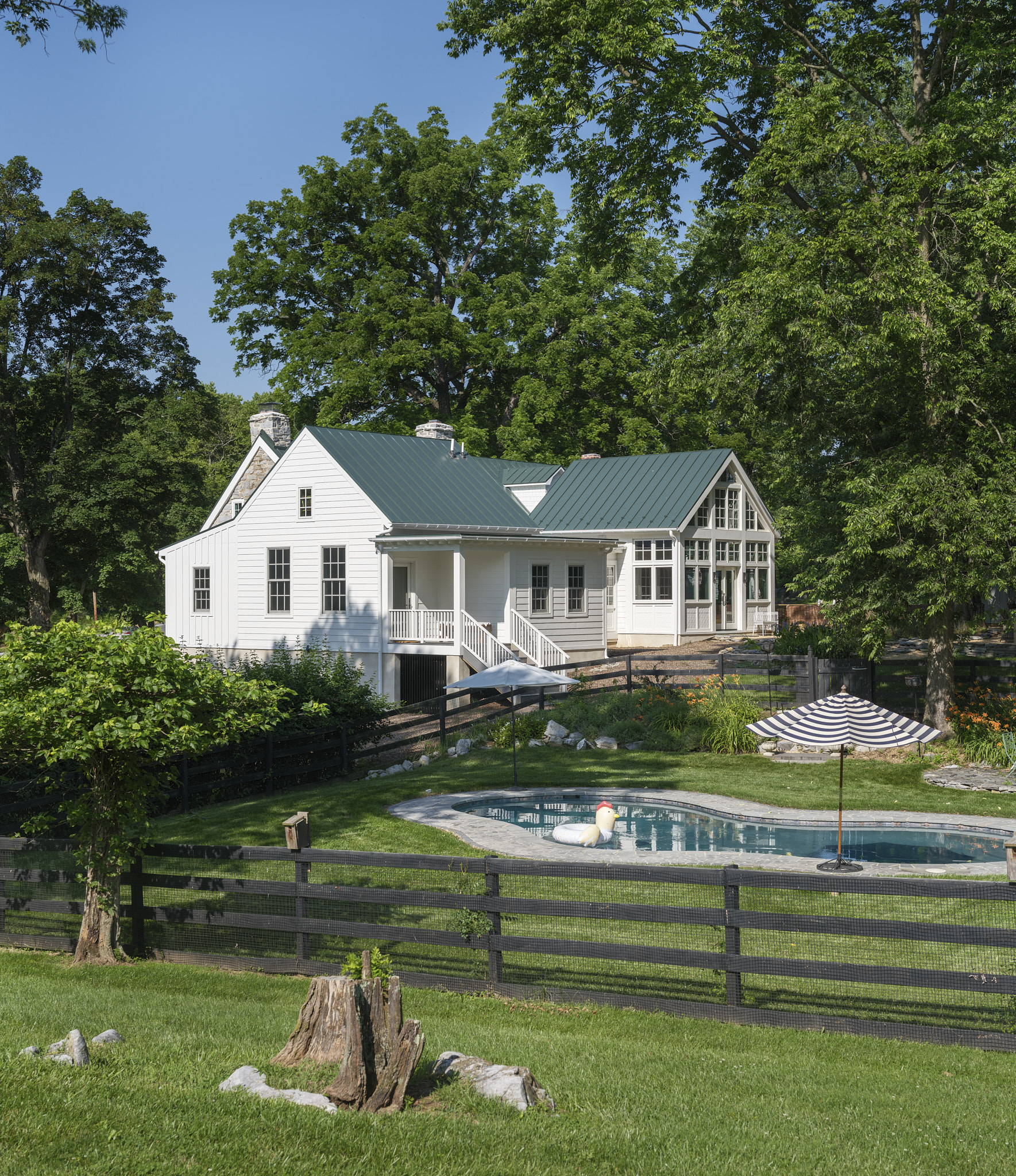
When we began the project, the house had a long, awkward, series of shed-roofed back additions and an unattractive, low-pitched gable eastern side addition. The back addition had rough stone in the shower and tub, and the gable addition had an elevated bed built over an old hot tub. All the previous additions were at different finish floor levels. The goal of the project was to leave the preserved, old structure from the 1700’s, remove the parasitic, idiosyncratic 1950’s and later additions, and create a beautiful, light filled, functional house for entertaining, aging in place, and connecting to the landscape.
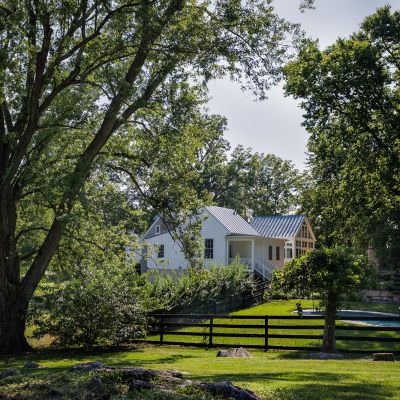
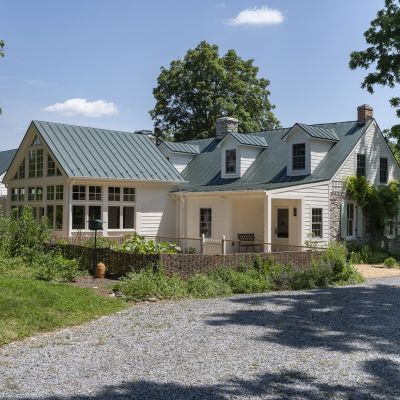
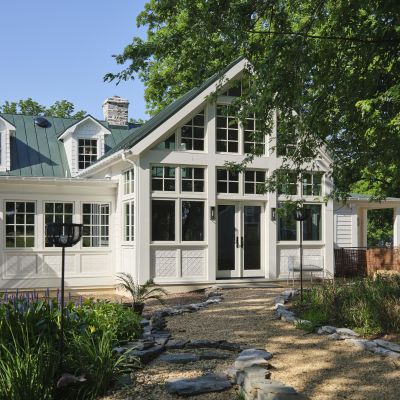
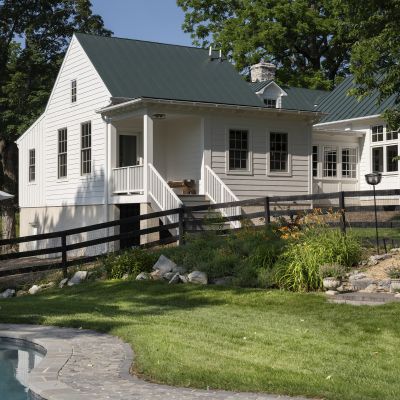
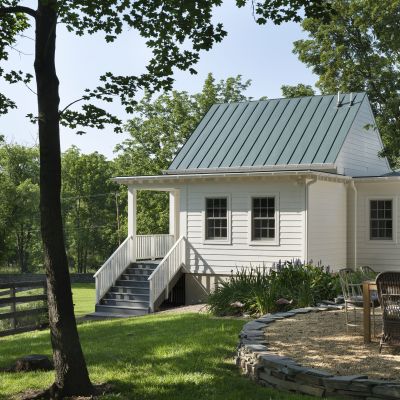
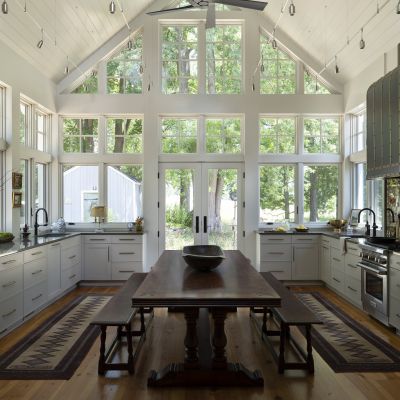
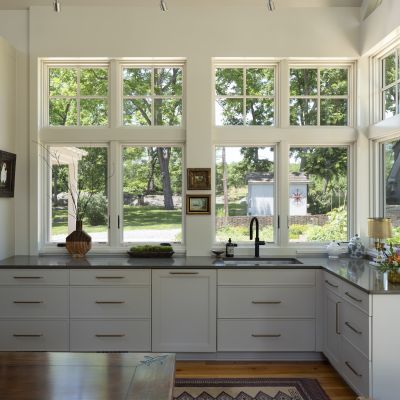
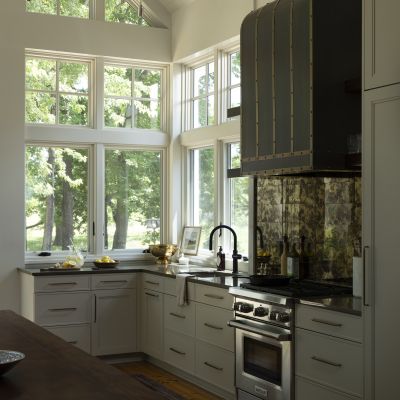
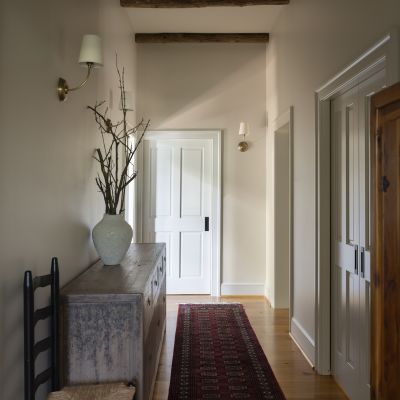
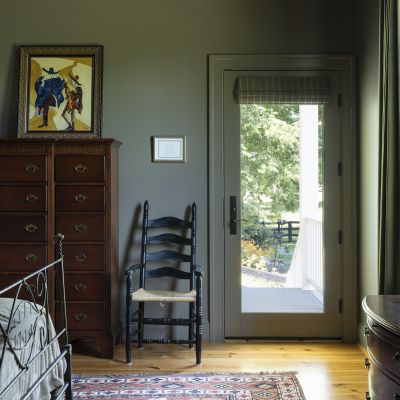
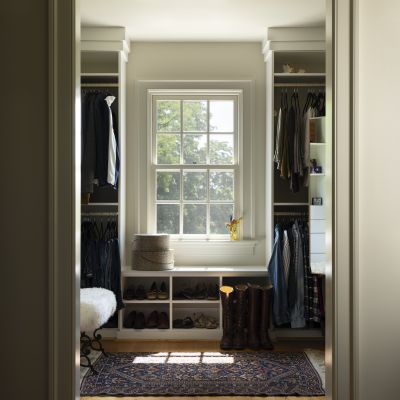
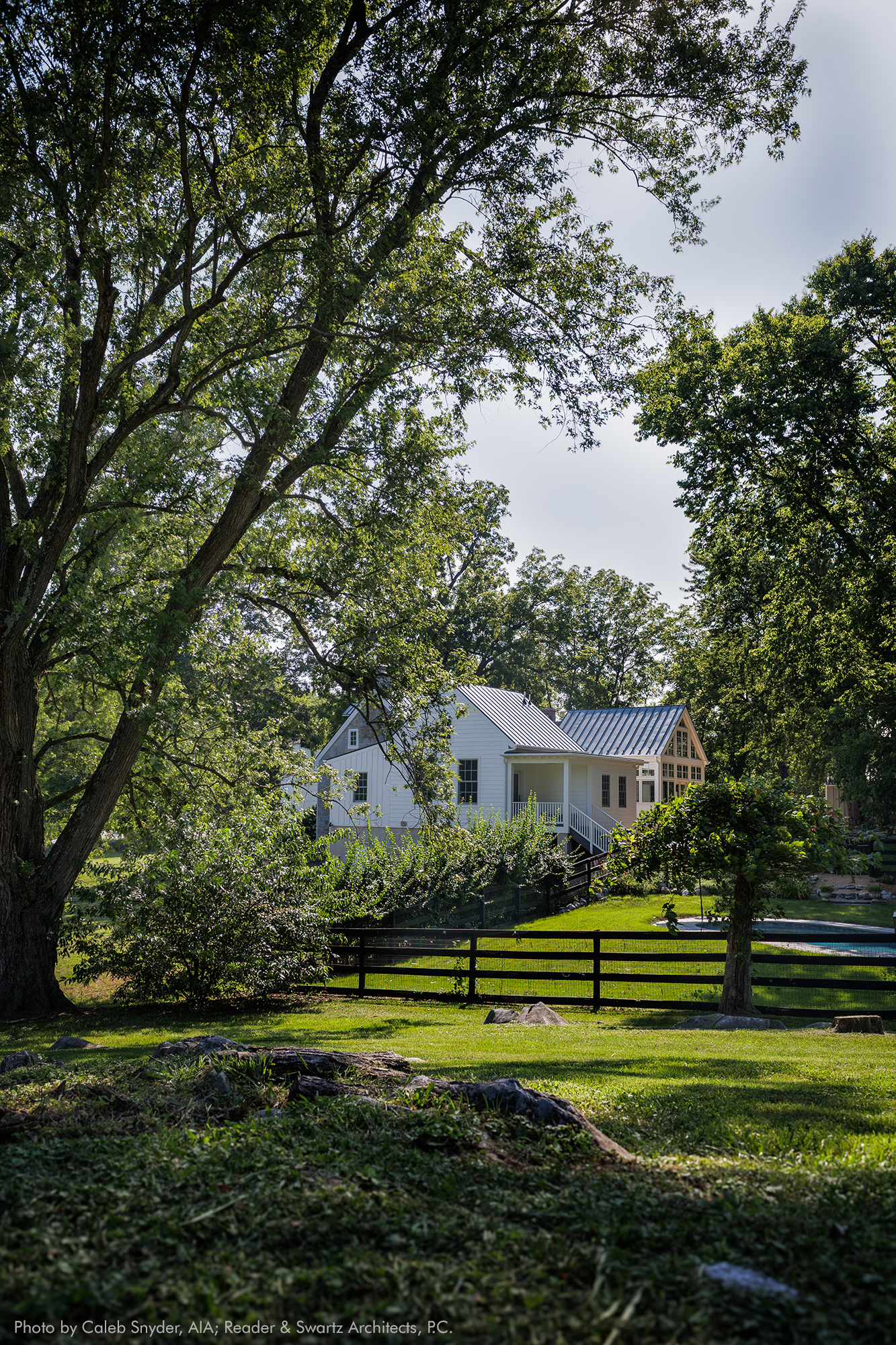
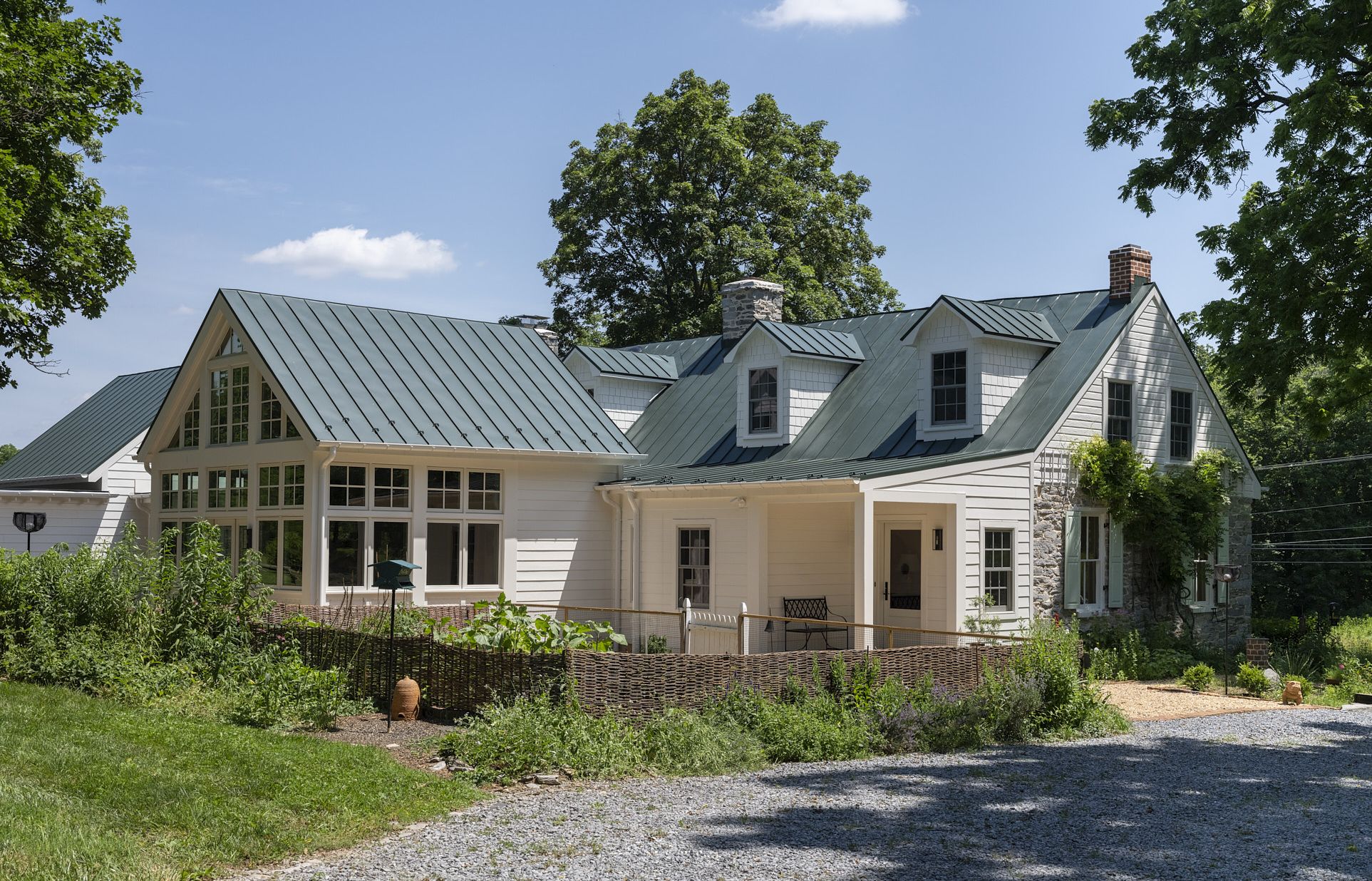
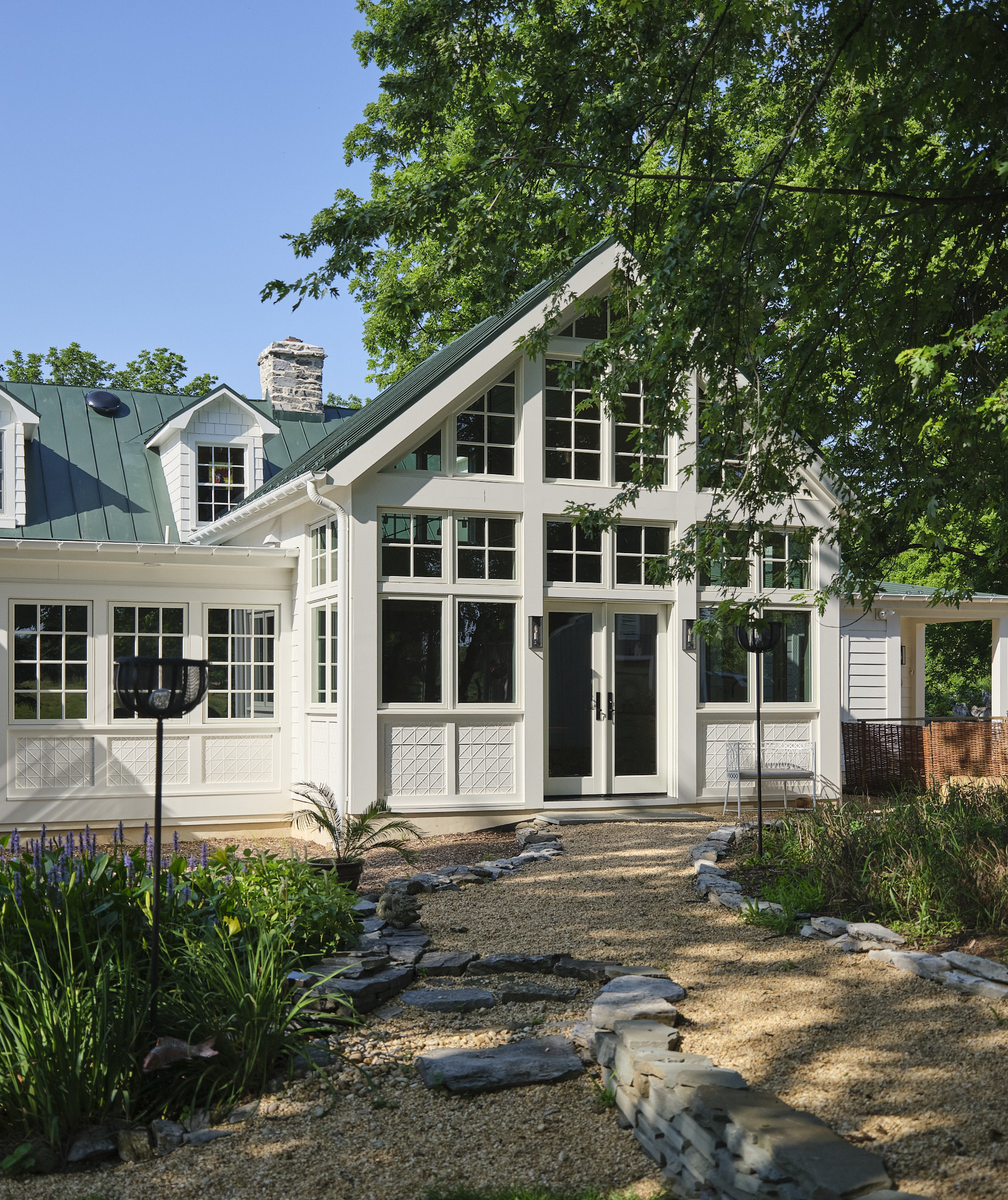
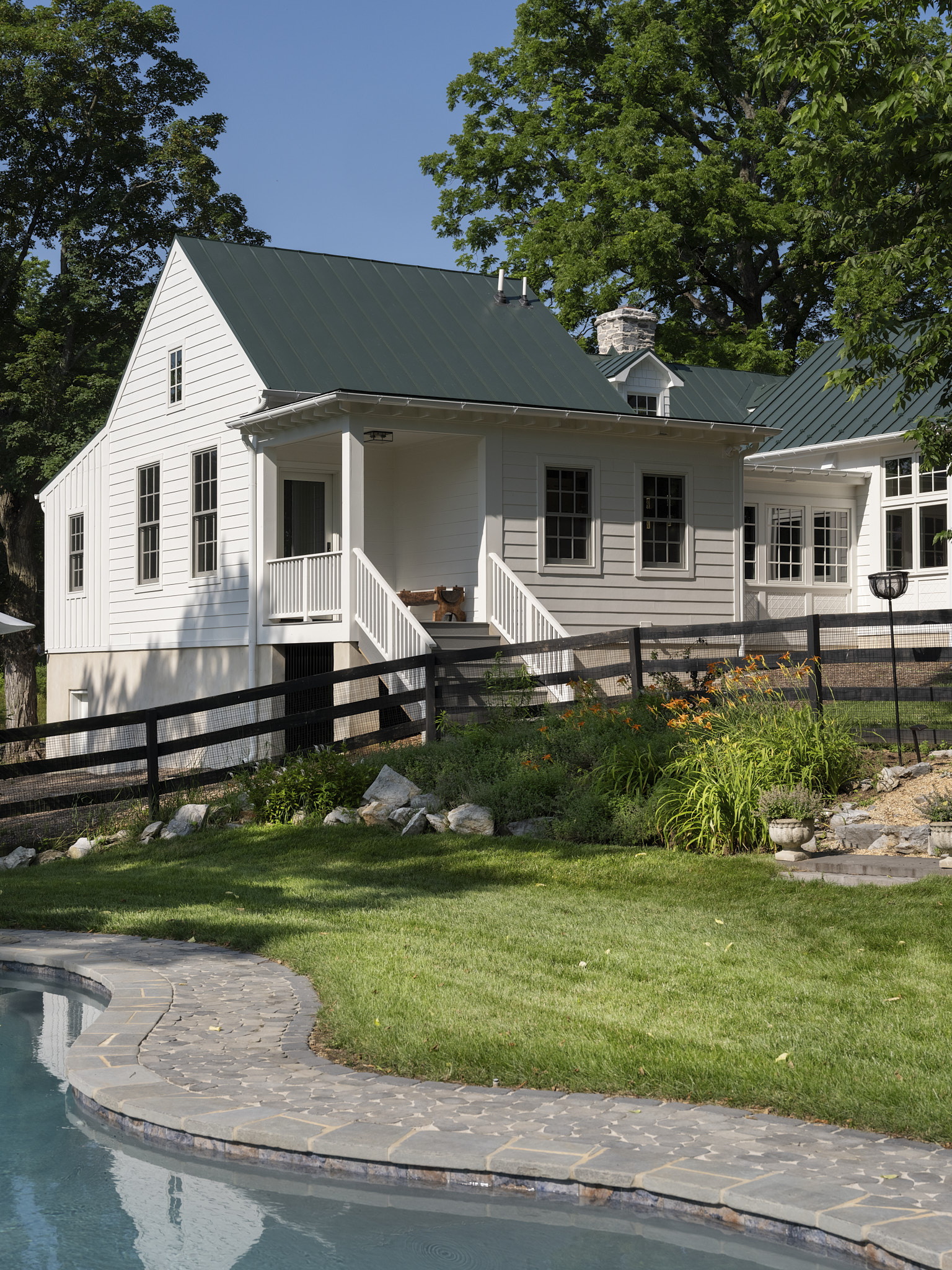
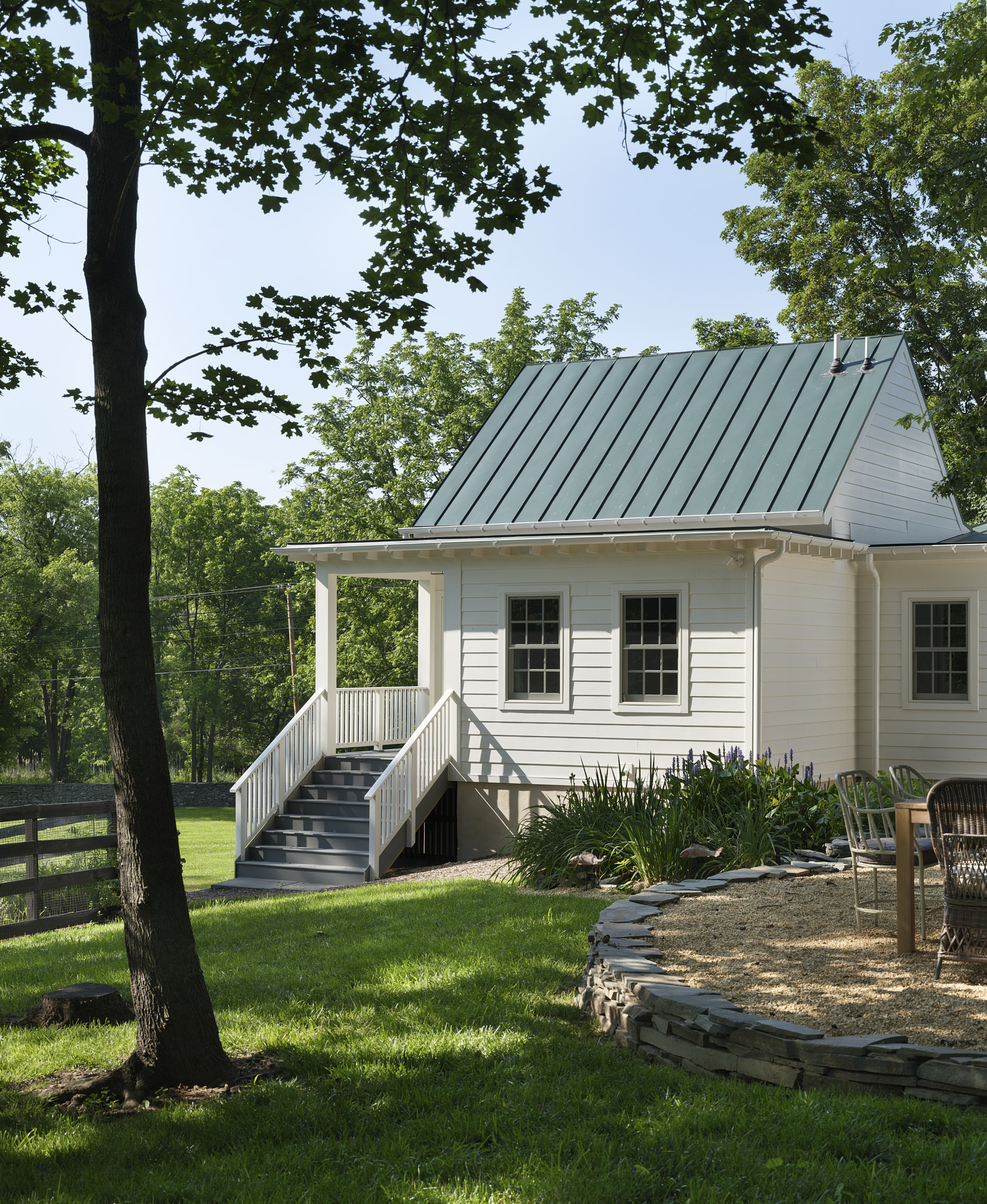
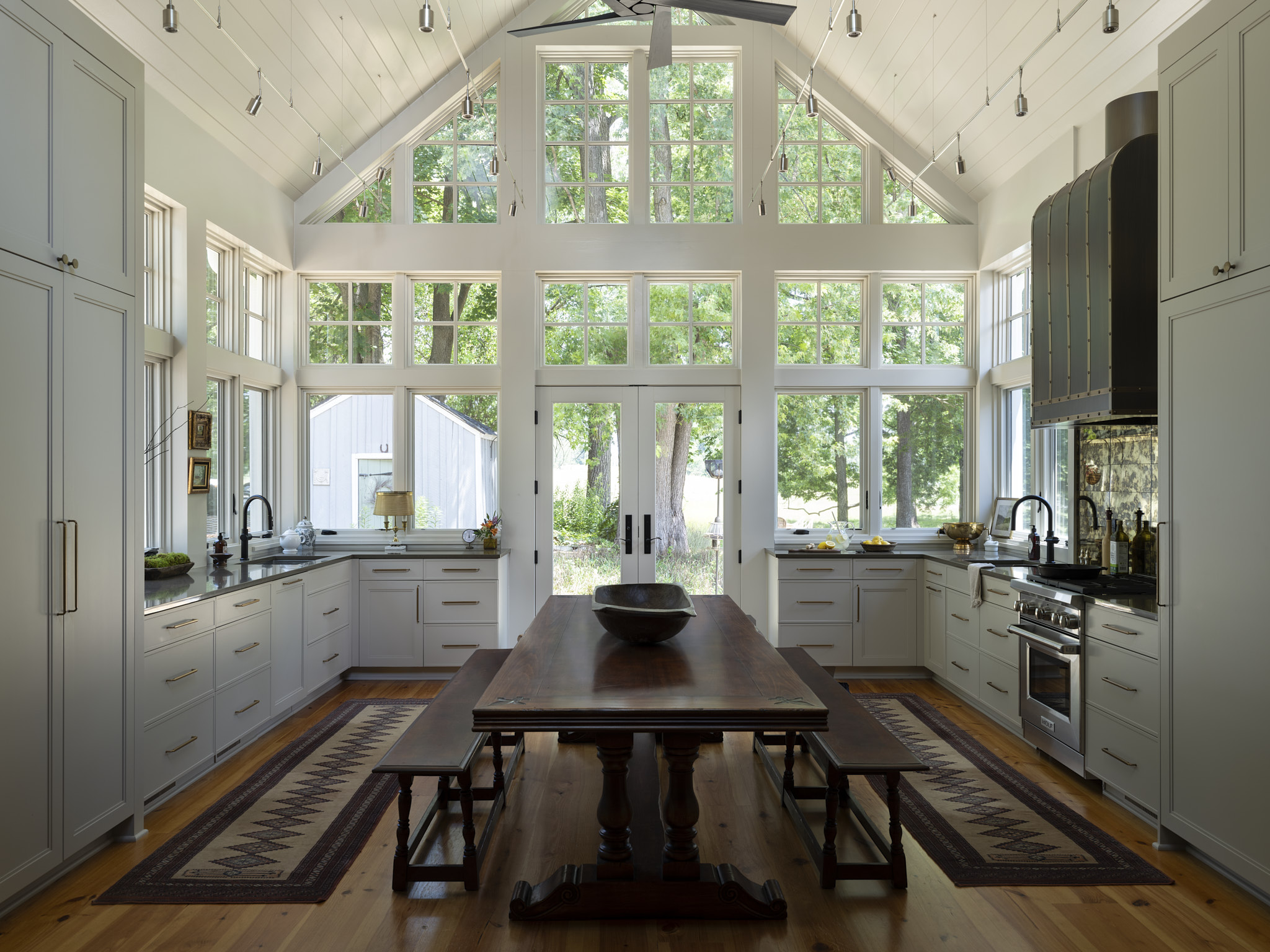
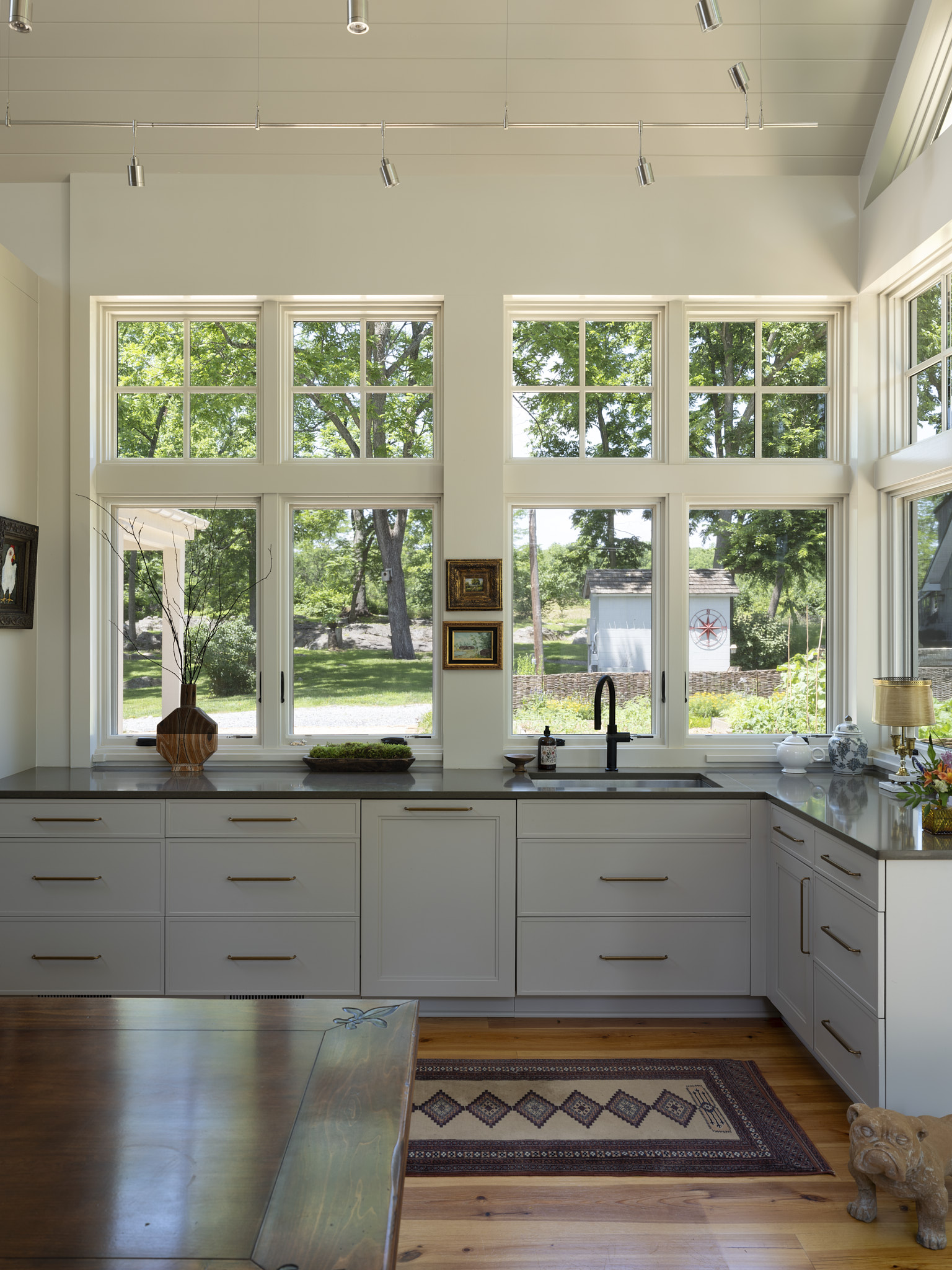
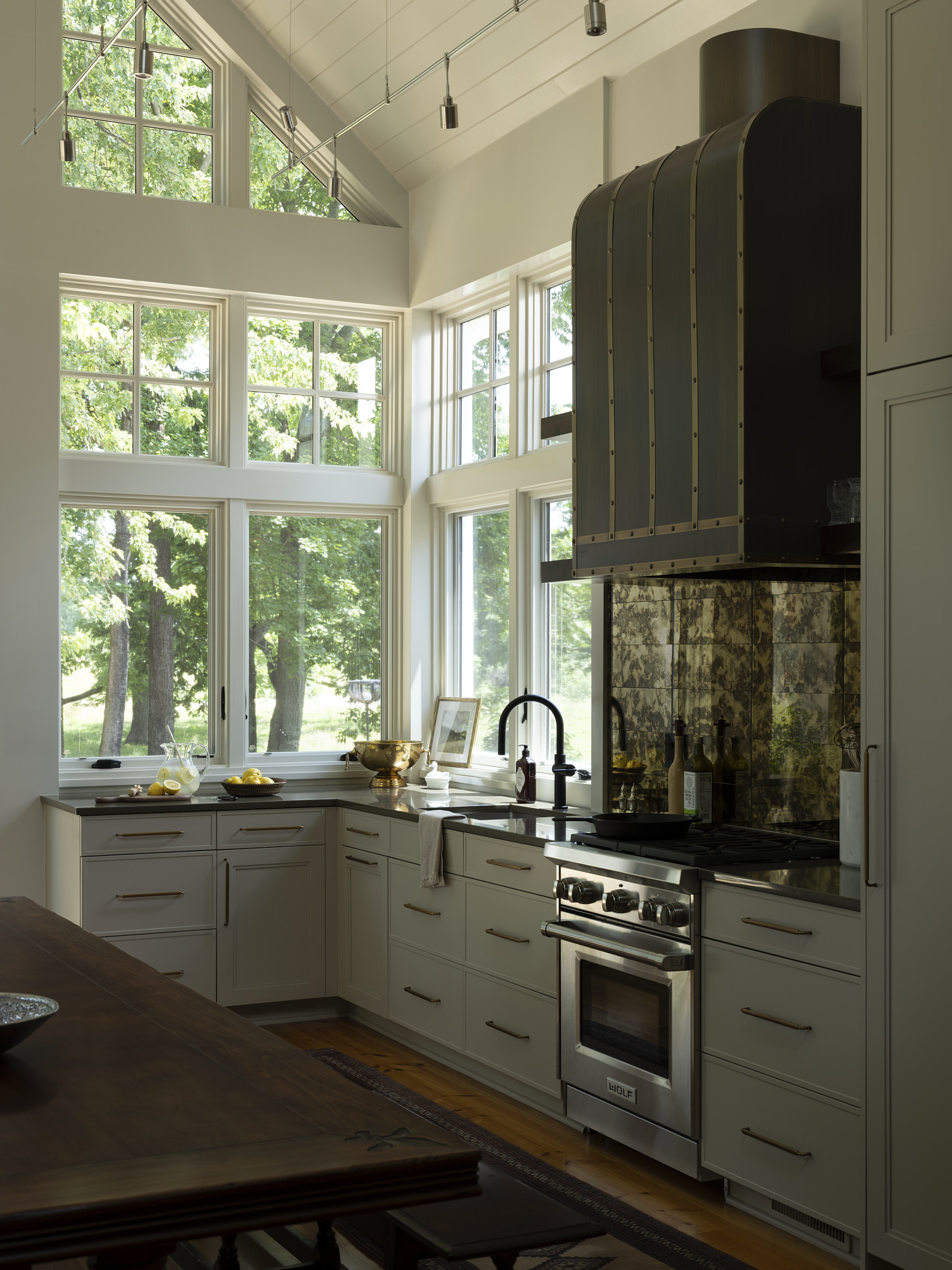
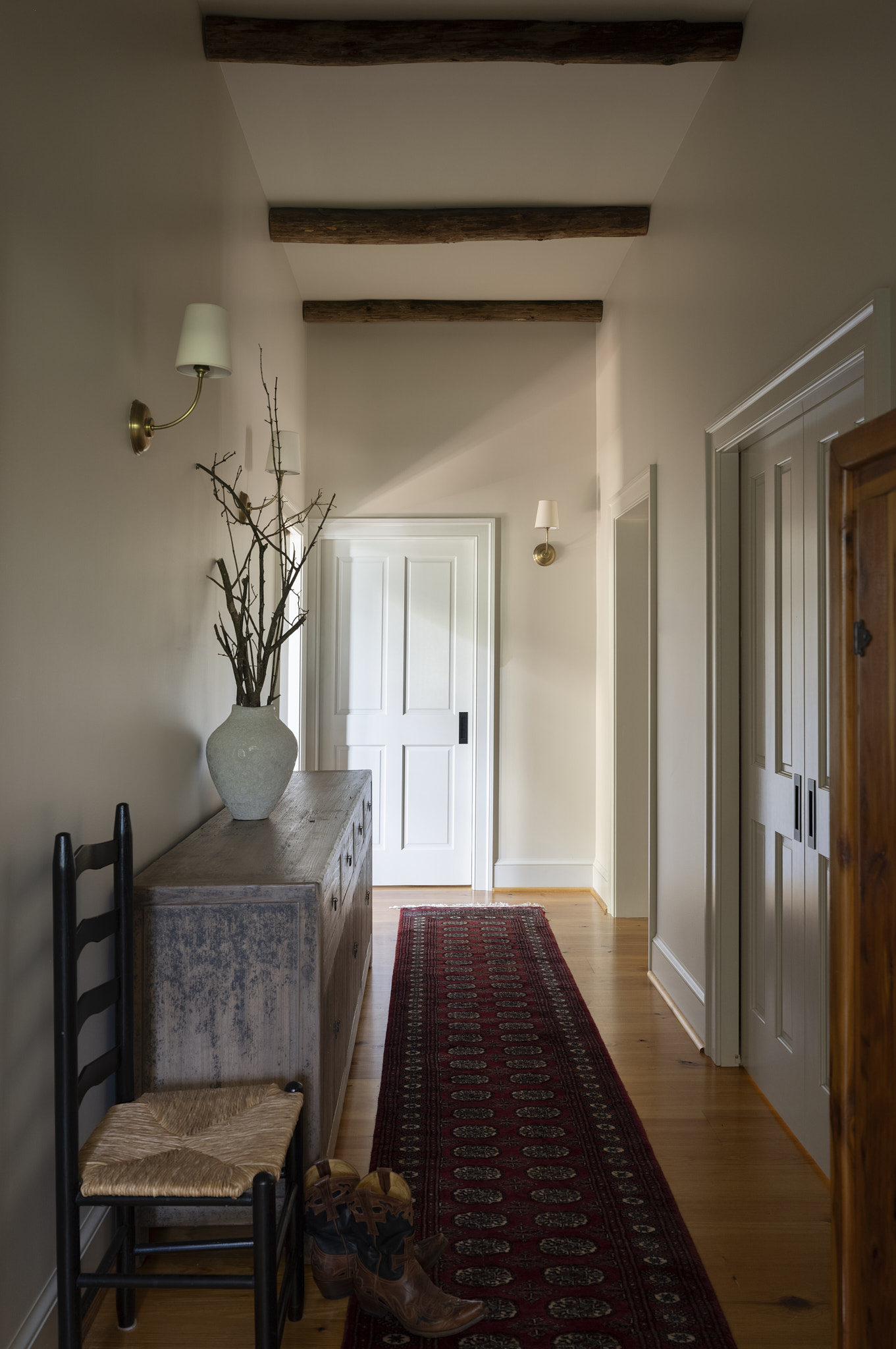
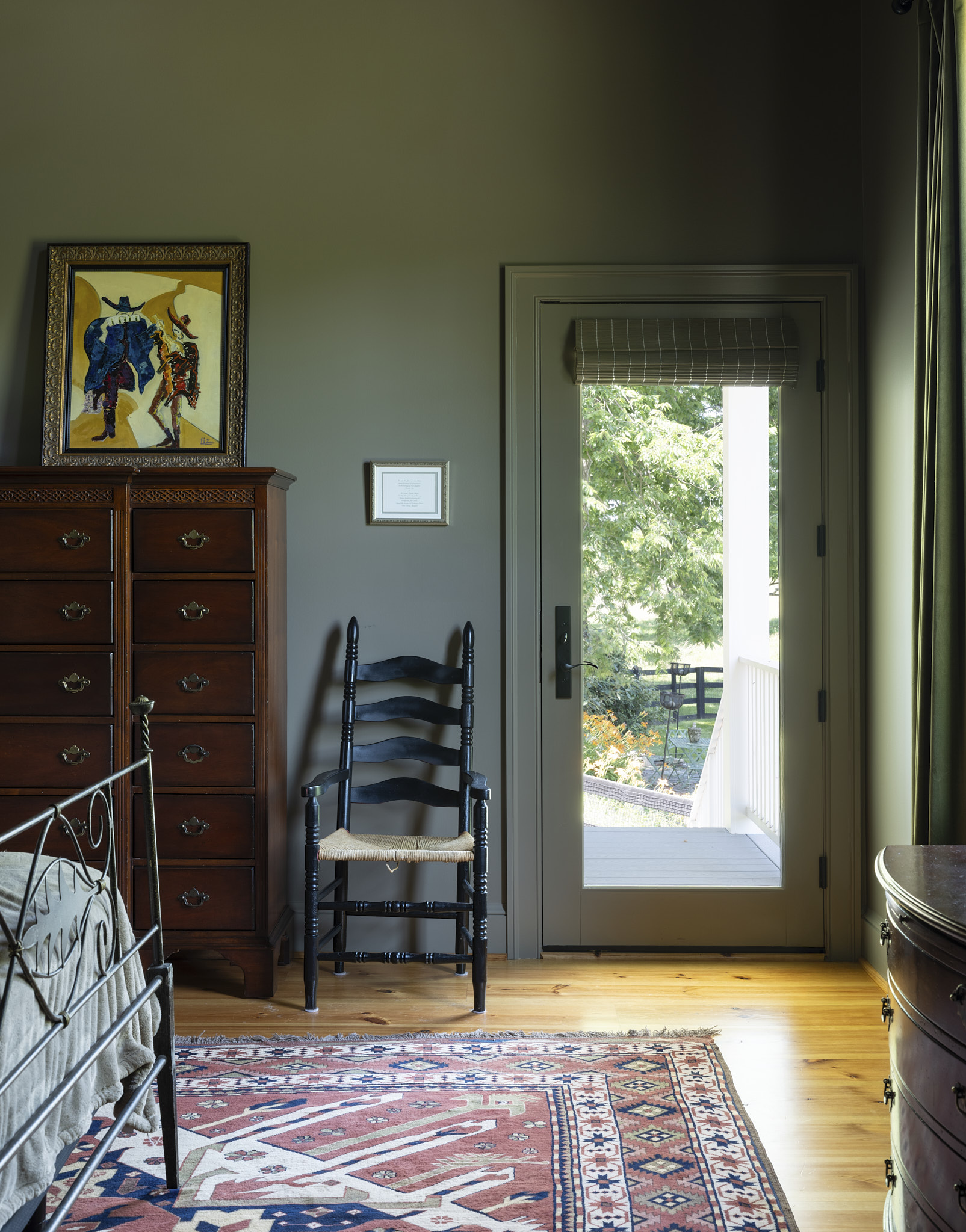
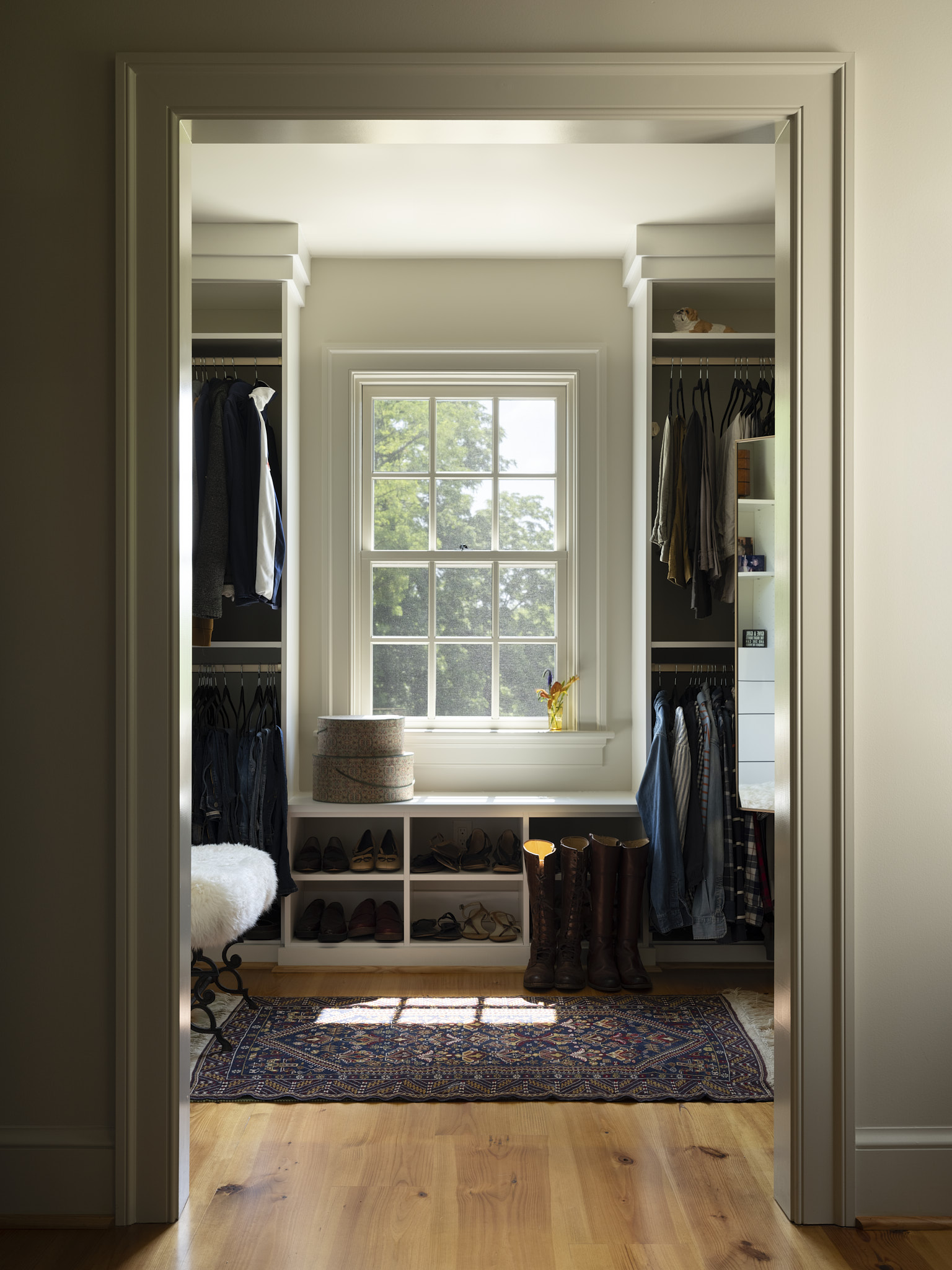
The design involved removing the old back and side additions. The former kitchen became a new side entry mudroom into the house. A new office and primary bath were added along a new longitudinal circulation spine that also serves the original rooms of the house. A new kitchen, with a large table in the center, was added to the rear of the house. The kitchen was designed in the spirit of a greenhouse, with windows on three sides, and an open gable ceiling with high transoms. The kitchen has views of the farm and a connection to the adjacent vegetable and herb gardens. A new primary bedroom was added to the eastern end of the house, in the form of a gable with a catslide roof, which mimics the original roof massing. The additions were placed in the same areas as the demolished portions, avoiding the roofline and dormers of the old house. The exterior materials used were meant to complement the historic structure without blurring the old and new. These materials include standing seam metal roofs, lap siding, and pressed metal panels.
PROJECT CREDITS
- Builder: Gruver Cooley, Purcellville, VA
- Structural Engineer: Painter-Lewis P.L.C., Winchester, VA
- Interior Designer: Gruver Cooley, Purcellville, VA
- Photography: Frazier Springfield (unless otherwise noted)